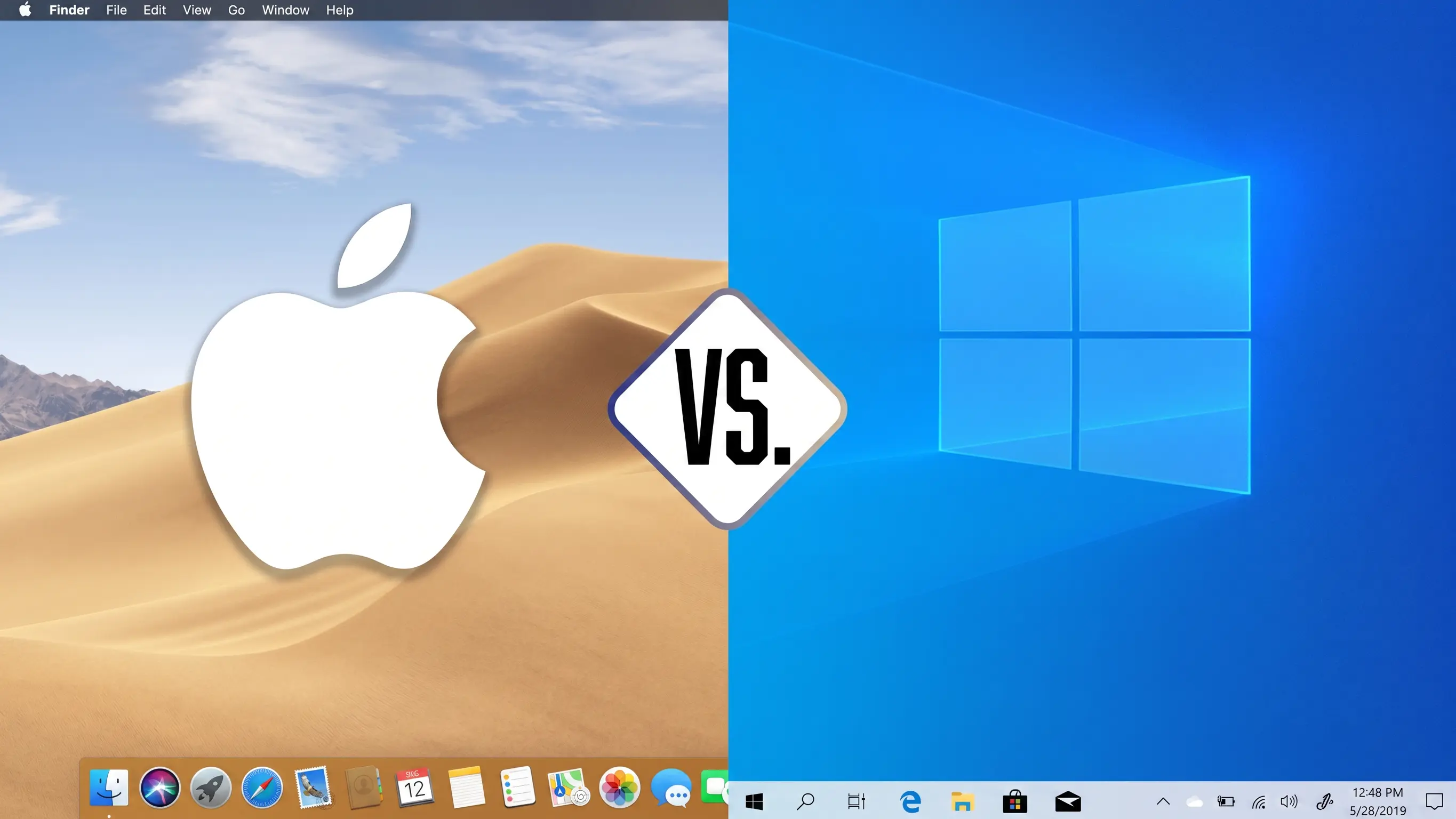
As the greatest software rivalry of all time, emotions can run high. So we decided to create a non-partisan fact-based analysis of Android's and iOS's cybersecurity profile.
As is frequently pointed out, the very first thing to notice about the two companies, Apple and Google, is what they're trying to accomplish. For Google, they have been very clear about their goal to put the latest technology into the hands of as many people as possible. In other words, Google's goal is to provide their users with the freedom to access and create their own tools, and trusts them to do so.
Apple on the other hand, promises their users the very best experience that money can buy. What this means is that Apple first figures out what the best product looks like, and then delivers that product (and nothing but that product) to their end users. Simply put, Google sells freedom, while Apple sells experiences.
And this focus filters all the way through their respective business models, product offerings, and even marketing materials. Google creates open source software that is easily customizable by both their manufacturing partners and end users. Apple charges a premium for creativity-first products that have propelled the company to a trillion-dollar valuation.
With that in mind, let's take a look at their security postures.
Market Size & Attack Landscape
The statistics paint a stark picture. Android devices are 50 times more likely to be infected with malware than iOS devices. Android attracts between 95% and 98% of mobile malware, with Android malware attacks reaching 33.3 million in 2024 and surging by 29% in the first half of 2025.
Why the disparity? While Apple fans like to point to Android's open source model as the culprit, the truth is more nuanced. Android continues to dominate global market share with over 3 billion devices worldwide. Naturally, hackers will look towards the largest target when crafting their exploits.
However, the threat landscape is evolving. iOS devices now face twice the phishing attacks of Android, with 26% of iOS devices targeted by threat actors with phishing attacks versus 12% of Android users in 2024. This shift reflects a changing strategy—while Android remains vulnerable to malware installation, iOS users are increasingly targeted through web-based phishing attacks that bypass Apple's app store protections entirely.
Furthermore, recent research reveals a surprising trend in user behavior. iPhone users are more likely to engage in risky behavior online, with 47% purchasing items from unknown sources compared to 40% of Android users, and only 21% of iPhone users using security software on their phones compared to 29% of Android users. This suggests that perceived security can lead to complacency.
Open Source vs. Closed Ecosystem
Here is another way in which Google and Apple's corporate outlook affects their security postures. Apple is notorious for holding their cards close to their chest. Unlike Google, they don't publish their source code, nor do they allow manufacturers or programmers to tamper with their OS. Consequently, security patches are rolled out to all of their users simultaneously.
In addition, Apple flexes more control over their App Store. While new Android apps can be approved in as little as a few hours, iOS apps can take up to two weeks to be approved. As a result, iOS apps containing malware remain extremely rare. This is further bolstered by Apple's practice of sandboxing third-party apps in order to limit their interactions with other apps or the OS itself.
In Q2 2025, Kaspersky detected 142,762 malicious installation packages for Android, with 42,220 being banking Trojans. By comparison, iOS malware remains largely limited to sophisticated spyware campaigns targeting high-value individuals.
The question remains: would you prefer to have an OS that is optimized for a particular user experience or for widespread usability?
Advanced Security Features in 2026
Both platforms have significantly evolved their security capabilities heading into 2026.
Apple's 2026 Security Arsenal:
Apple has introduced several game-changing features. Lockdown Mode, introduced in iOS 16 and refined through iOS 26, restricts certain functionalities—like limiting web technologies and blocking unsolicited messages—to minimize vulnerabilities for users at risk of targeted cyberattacks.
Stolen Device Protection, introduced in iOS 17.3, requires Face ID or Touch ID for critical actions like accessing passwords or changing Apple ID settings, even if the thief knows your passcode, and imposes a one-hour delay for sensitive changes when you're away from familiar locations.
Advanced Data Protection for iCloud, available since iOS 16.3, applies end-to-end encryption to most iCloud data, including backups, Photos, and Notes, securing 23 data categories against unauthorized access, even by Apple itself.
With the February 2025 release of the iPhone 16e, Apple's entire smartphone lineup now features Face ID, providing consistent biometric security across all devices.
Android's Evolving Protection:
Android has made significant strides with Google Play Protect, which now scans over 125 billion apps daily. Samsung Knox continues to stand out as a security-minded solution, coming pre-installed on most Samsung personal and enterprise smartphones, tablets, and watches.
However, the most critical families of mobile malware continue to lean heavily towards Android surveillanceware, with significant issues arising from device misconfigurations including out-of-date OS (29.5%), out-of-date Android Security Patch Levels (11.5%), no device lock (12%) and no encryption (3.3%).
Hardware Integration
Even the most secure software needs to be supported by cutting-edge hardware. With their focus on consistency and security, Apple takes their time rolling out the latest hardware designs and functions.
Face ID remains a prime example of Apple's patient approach to hardware security. Face ID uses a Secure Neural Engine that applies memory encryption, authentication, and access control with a dedicated cryptographic key to keep biometric data secure. While Android manufacturers were first to market with facial recognition, many early implementations could be fooled by photos. Apple's Face ID, by contrast, uses sophisticated depth-sensing technology that cannot be tricked by 2D images.
Samsung continues to differentiate itself within the Android ecosystem with security-focused hardware implementations. However, not all device manufacturers are created equal, and the fragmented Android market means security quality varies significantly across brands.
The Verdict in 2026
With their one-size-fits-all approach, Apple delivers a more tailored and consistently secure experience. Android users have an abundance of choices, and with more power comes more responsibility to avoid insecure apps, keep software updated, and implement proper security configurations.
The gap isn't as simple as "Apple is secure, Android isn't." The reality is:
- For users who want "set it and forget it" security: iOS provides better out-of-the-box protection with consistent updates and aggressive app vetting
- For users willing to actively manage their security: Android can be equally secure, especially with flagship devices from security-conscious manufacturers like Samsung
- For high-risk individuals: Apple's Lockdown Mode and integrated security features provide superior protection against targeted attacks
- For cost-conscious users in developing markets: Android's accessibility comes with increased responsibility to maintain security
The choice ultimately depends on your security needs, technical comfort level, and willingness to actively manage your device's security posture.